Jump! Blog
Finding Joy in Learning Through Play-Based Preschool Education
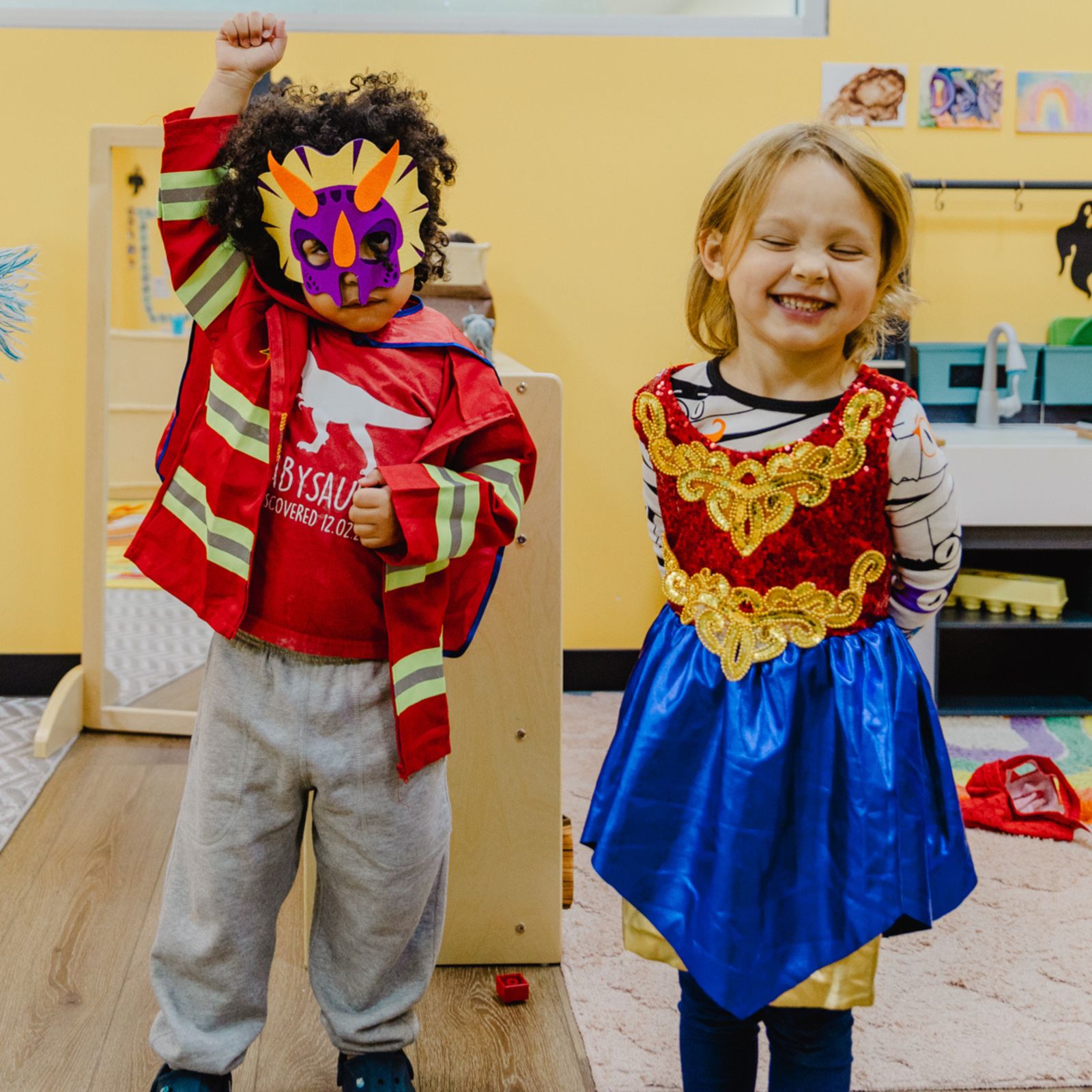
There is nothing quite like the unbridled curiosity, joy, and imagination of a preschooler. These not-quite-babies but not-quite-big kids bring enthusiasm, wonder, and magic to their everyday lives.
One of the best parts of this age is that play is at the center of the learning process and experience. In our Jump!-n-Learn preschool program for children ages 3-5, play-based learning is not just encouraged, but it is the foundation for how children explore the world.
What Is Play-Based Learning
Play-based learning allows children to actively participate in their education through hands-on exploration. Instead of passively receiving information, children learn by doing, imagining, and experimenting.
Examples of play-based learning include:
- Building projects to explore math and engineering concepts
- Dramatic play to develop language and social skills
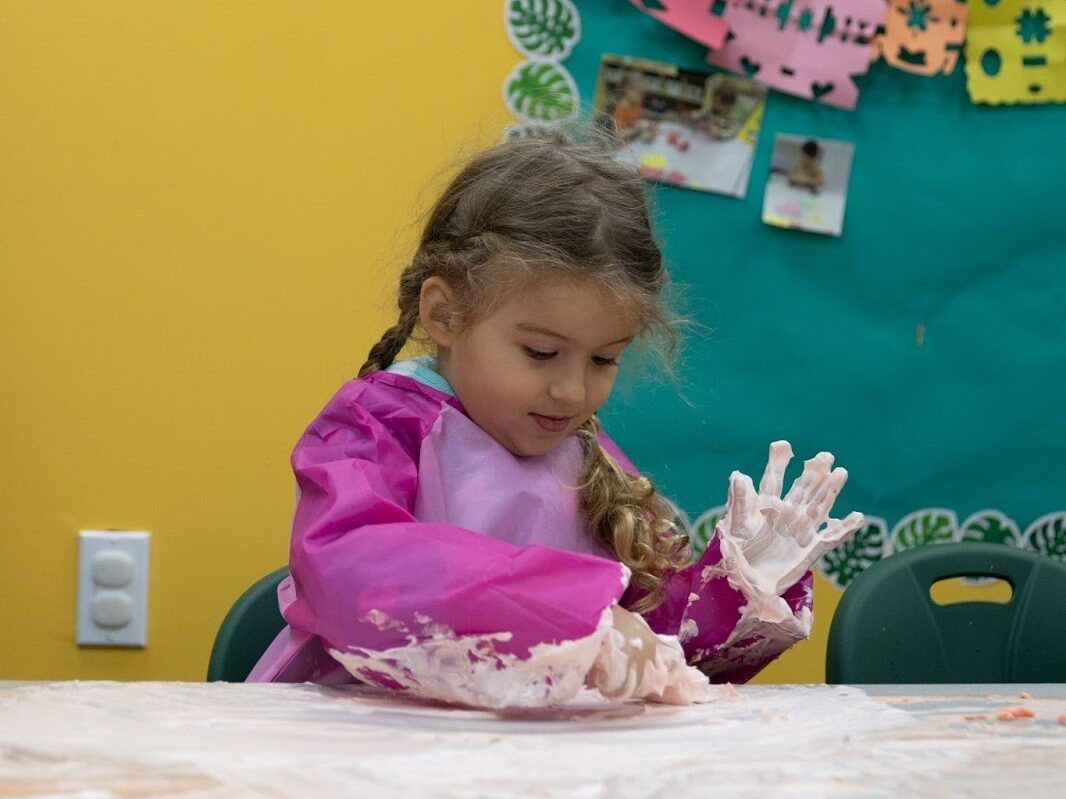
- Sensory play to support cognitive and motor development
- Creative projects that encourage problem-solving
Through play, learning feels natural and exciting, helping kids grow and thrive. They may not realize it, but children grow more confident with each new experience.
How Play Supports Social and Emotional Growth
Play creates opportunities for children to interact with others in meaningful ways. As children play together, they practice communication, cooperation, and emotional awareness.
Play-based learning helps children:
- Learn to share and take turns
- Communicate ideas and feelings
- Solve problems with peers
- Build emotional awareness and empathy
These experiences lay the groundwork for healthy relationships and emotional intelligence.
Personalized Learning Through Play
One of the greatest strengths of play-based learning is flexibility. Teachers observe children during play to understand their interests, strengths, and challenges. This allows instruction to be tailored to each child.
Benefits of this approach include:
- Individualized support for each learner
- Natural differentiation without pressure
- Increased engagement and confidence
- Learning at a pace that feels right for the child
Building a Lifelong Love of Learning
By making learning joyful, interactive, and meaningful, play-based education helps children develop curiosity that lasts beyond preschool. When children associate learning with fun, they are more likely to stay motivated and confident as they grow.
In our Jump!-n-Learn Program, play is more than fun. It is how children learn, connect, and discover the joy of learning every day, while helping eliminate frustration and preparing them for kindergarten.
Keep reading
More from the Jump! blog
August 20, 2026
Why Afterschool Sports Are Worth It for Kids and Parents
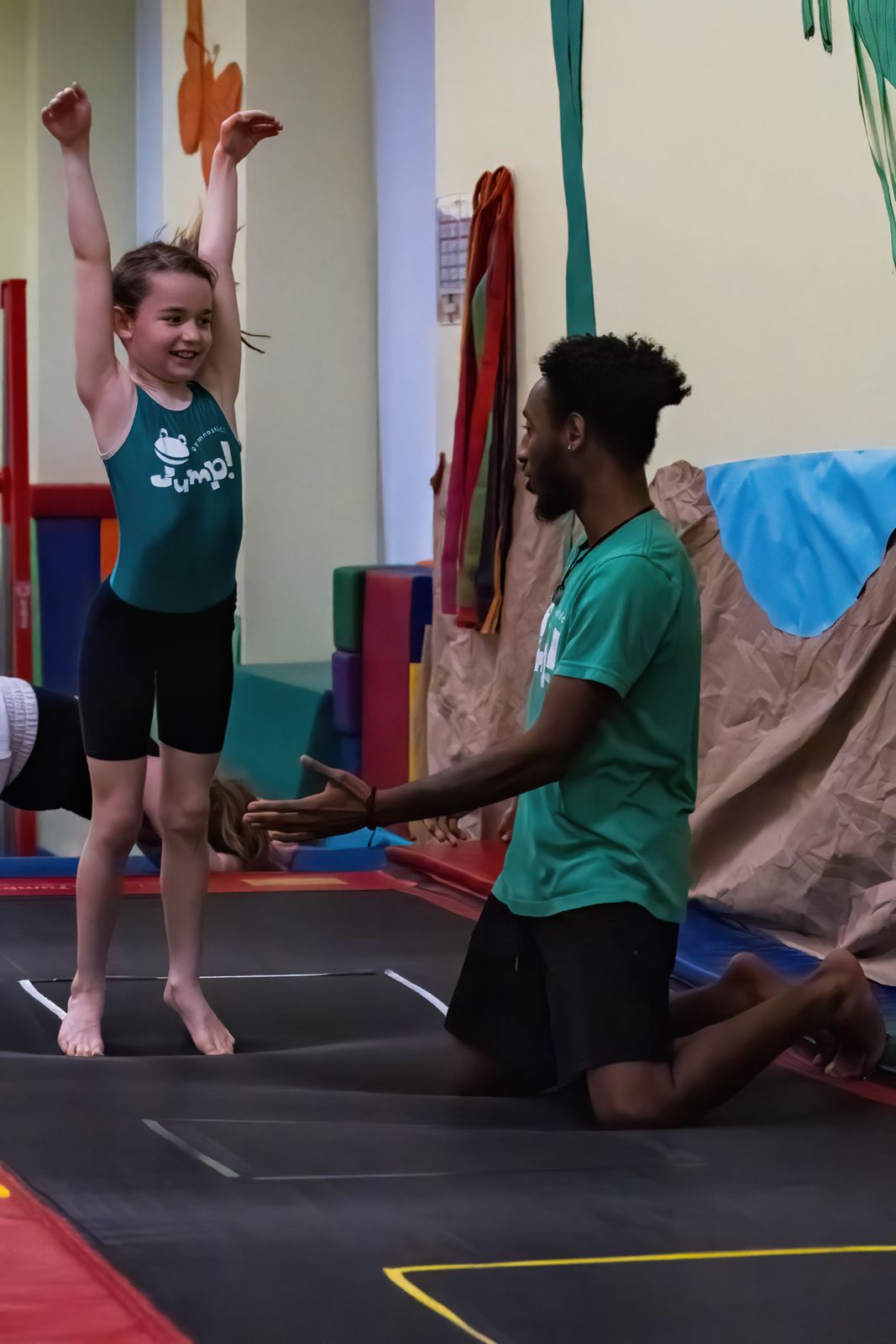
Wondering if afterschool sports are worth the busy schedule? See how gymnastics at Jump! Gymnastics supports brain development, focus, and social skills in kids.
Read the post
August 20, 2026
Why Form and Technique Matter in Children’s Gymnastics
As kids grow, so does their gymnastics journey. Learn how Jump! Gymnastics teaches form and technique while keeping the fun and creativity kids love.
Read the post
July 14, 2026
Preparing for Kindergarten: What Your Child Really Needs to Know
Discover the key social, emotional, and independence skills your child needs for kindergarten and how Jump! Gymnastics helps Austin kids prepare with confidence.
Read the post